Discover Majestic Deck Builders Austin for Luxury Outdoor Spaces
Dependable Deck Builders for All Budgets: Claim Your Free Estimate
Locating a dependable deck builder at an affordable price can significantly impact the success of your deck project. Residential clients often struggle in selecting the right professional who can meet both financial constraints and quality expectations. No-cost evaluations serve as a helpful tool in this process, providing a deeper understanding of expenses and alternatives. However, knowing what to look for in a deck professional is crucial. These critical steps will influence the success of your ideal outdoor space.
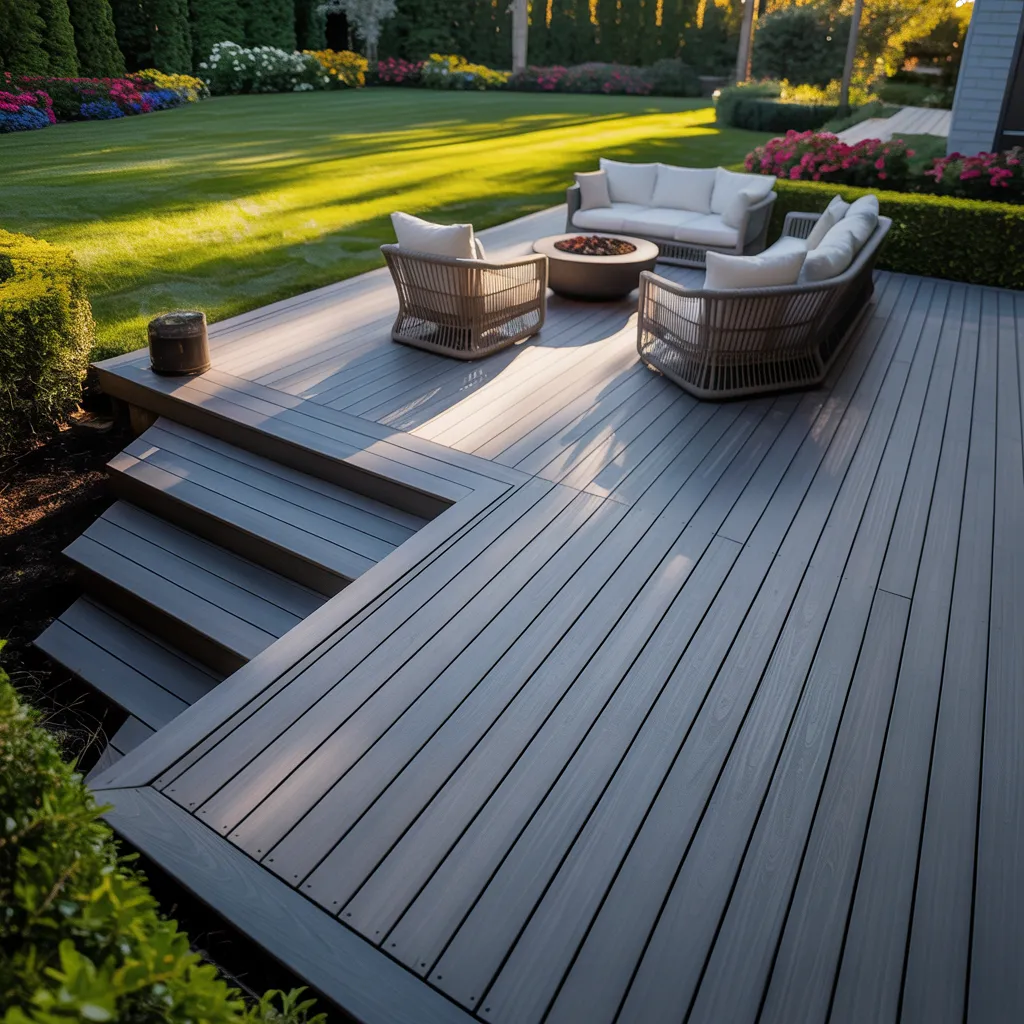
Why Choosing the Right Deck Builder Matters for Your Unique Project
To what extent does the choice of a deck builder impact the outcome of a project? The best deck contractor can greatly influence both the standard and effectiveness of a deck project. A qualified contractor provides experience and knowledge, making sure that the deck meets both structural and aesthetic criteria. They can deliver useful guidance into design options, materials, and local building codes, which assists in avoiding costly errors.
Additionally, a well-established builder has formed connections with suppliers, often leading to better pricing and access to top-grade materials. This can lead to a longer-lasting and aesthetically pleasing finished product. On the other hand, choosing an inexperienced or unreliable builder may lead to holdups, budget blowouts, and unsatisfying outcomes. Therefore, it is vital to consider builders based on their experience, portfolio, and customer reviews. Selecting the right deck builder ultimately defines the outcome of the project and the homeowner's satisfaction.
What to Expect From Free Estimates
What should homeowners expect when asking for free quotes for their deck project? At first, they can expect a comprehensive discussion where deck specialists review their goals and preferences. Throughout this stage, homeowners should offer specifics about their preferred design, materials, and dimensions. Deck specialists will frequently perform an on-site evaluation to assess the area, factoring in aspects such as landscape and access points.
Homeowners ought to also look for a transparent breakdown of costs related to materials, additional features, and labor. Estimates typically include a range of alternatives, enabling homeowners to evaluate varying styles and price points. Moreover, a reliable builder may offer timelines for project completion, allowing homeowners to prepare effectively.
Ultimately, homeowners should be prepared to ask questions and clarify any uncertainties. This forward-thinking approach ensures the estimate meets their expectations, creating the ideal starting point for a rewarding deck-building journey.
How to Define Your Deck Budget
Figuring out a cost estimate for a decking project can often feel overwhelming for homeowners and families. To establish a well-defined budget, it is important to first evaluating personal spending constraints and deciding how much can be designated without disrupting other important commitments. Homeowners and families should consider the design, size, and materials of the deck, as these considerations greatly affect the total cost.
Researching average prices in the local market can provide valuable insights, helping to set realistic expectations. Moreover, homeowners should account for potential additional costs, including permits, site preparation, and landscaping.
Establishing a prioritized list of elements can further support decision-making, allowing for adjustments based on spending boundaries. Lastly, it is beneficial to set aside a buffer for unexpected costs, guaranteeing fiscal stability throughout the renovation. Through these measures, homeowners can define a budget that corresponds with their objectives while remaining manageable.
Important Qualities to Consider in a Deck Builder
When selecting a deck construction professional, it is important to focus on expertise and experience to secure superior craftsmanship. Furthermore, ensuring that the professional maintains the appropriate insurance and licensing protects both the homeowner and the investment. These qualities serve as key markers of a dependable and qualified expert in the deck construction field.
Experience and Proficiency
Selecting a skilled deck builder necessitates careful consideration of their background and skill set. A skilled builder will have a demonstrated history of success, showcasing a collection of completed projects that highlight their skill level. This expertise often leads to a deeper understanding of materials, design, and construction techniques, allowing the builder to address unexpected challenges efficiently.
Expertise also encompasses knowledge of current trends and best practices in deck construction, making certain that the end result is not only functional but aesthetically pleasing. Additionally, experienced contractors have greater knowledge of municipal codes and can handle permitting procedures with ease. Ultimately, selecting a deck builder with substantial experience and expertise can greatly enhance the craftsmanship and resilience of the finished deck, providing peace of mind for homeowners.
Licensing and Insurance
A reputable deck builder must always have the necessary licenses and insurance. This confirms that the builder complies with local regulations and industry standards, giving homeowners confidence and security. Proper licensing validates the builder's competence and professional integrity. Insurance, additionally, covers both the builder and the client in the event of mishaps or property damage throughout the project. When choosing a deck builder, homeowners should ask for verification of these qualifications. The absence of appropriate licensing or insurance may indicate potential risks, including poor workmanship or financial liability. Ultimately, choosing a licensed and insured deck builder proves necessary for an effective and concern-free construction journey.
Critical Questions to Pose to Potential Deck Builders
What valuable information can future homeowners obtain by posing the right questions to prospective deck builders? Working with a deck builder entails more than merely receiving a bid; it demands insight into their skills and dependability. Property owners should question the builder about their experience and completed projects, while also requesting references to measure customer approval. It is crucial to define project schedules, confirming that deadlines correspond with the homeowner's anticipated timeframe. Moreover, addressing warranties covering both materials and labor can deliver confidence. Property owners should additionally inquire about any subcontractors participating and their credentials. Grasping the payment plan, encompassing upfront deposits and remaining balances, is fundamental to eliminating financial uncertainty. Lastly, it is recommended to ask about any necessary permits for the work, guaranteeing adherence to municipal guidelines. Through asking these key questions, homeowners can arrive at well-informed decisions and hire a deck builder who satisfies their specific requirements.
Finding the Right Materials Within Your Budget
In selecting materials for a deck, homeowners must consider the advantages of traditional wood against composite alternatives. Long-term durability plays a vital role in this decision, as it impacts both maintenance expenses and the overall lifespan. Furthermore, looking into budget-friendly options can offer economical solutions while maintaining quality.
Wood or Composite Materials
When weighing wood and composite materials for deck building, homeowners must consider both aesthetic appeal and budget limitations. Wood provides a classic, natural look and tends to cost less at the outset. Nevertheless, it necessitates regular maintenance, including staining and sealing, which can add to long-term costs. In contrast, composite decking, produced from a mixture of wood fibers and plastic, provide a low-maintenance alternative with an array of colors and finishes. While the initial investment for composites is generally higher, they hold up against fading and warping, drawing in those who prioritize long-term performance. In the end, the decision depends on personal tastes, maintenance commitment, and long-term financial considerations, making it essential for homeowners to weigh these factors carefully before making a decision.
Long-Term Durability Considerations
Longevity serves as a key consideration in selecting materials for deck building, particularly for budget-minded homeowners. When evaluating available choices, wood and composite options come with their own set of strengths and weaknesses. Organic wood, despite its attractive appearance, necessitates routine maintenance to avoid decay, warping, and insect deterioration. By comparison, composite materials provide superior durability, standing up to fading and wear with very little maintenance. Homeowners should assess their local climate, as exposure to moisture and sunlight can influence material lifespan. Furthermore, recognizing the planned purpose of the deck is essential; heavily used spaces may require more robust materials. At the end of the day, the best decision considers both initial cost and long-term durability, guaranteeing that the deck stays both practical and attractive for many years ahead.
Cost-Saving Options at Your Disposal
Picking the right choices for deck construction can considerably influence both aesthetic appeal and cost. Residents seeking budget-friendly solutions often explore pressure-treated wood, which offers durability at a lower price compared to premium hardwoods. Composite options also provide a viable option, combining recycled plastics and wood fibers for a more durable alternative that requires little upkeep. For homeowners on tighter finances, treated plywood can function as an affordable option, though it may not hold up against the elements as well. Moreover, vinyl decking is growing in demand for its affordability and protection against rot and fading. By evaluating these alternatives, residents can create a beautiful and functional deck without going over budget, providing a wise investment for the long term.
Guidelines for Assessing Deck Builder Proposals
How can homeowners effectively evaluate deck builder proposals to guarantee they make the best choice? As a starting point, it is advisable to compare numerous estimates while examining differences in costs, materials, and scheduled completion times. A detailed breakdown of costs helps clarify what is included and allows for informed comparisons. Next, reviewing the builder's experience and reputation is essential; checking references and online reviews provides insight into their reliability and craftsmanship.
Homeowners ought to also ensure that proposals contain essential permits and warranties, as these considerations can heavily influence long-term satisfaction. It is advisable to ask questions about the construction methods and material selections, confirming consistency with the homeowner's goals and budget. Finally, clear communication is important; proposals should be simple and absent of confusing terminology, demonstrating the builder's pledge to transparency. By implementing these measures, homeowners can reach a well-informed conclusion when selecting a deck builder that meets their needs.
How to Prepare for Your Deck Installation Day
The day of deck installation tends to be both thrilling and overwhelming for many homeowners. Adequate preparation can reduce stress and ensure a seamless process. To begin, it is important for homeowners to clear the installation area of furniture, plants, and any obstacles to ensure the builders have unobstructed access. Doing so not only streamlines the work but also safeguards any existing landscaping.
Furthermore, residents should discuss particular preferences or worries to the deck contractors, making sure everyone is on the same page. It proves advantageous to have a designated area for equipment and supplies, which helps maintain organization throughout the build.
Additionally, homeowners should prepare for potential noise and activity by informing neighbors in advance. Last but not least, creating a strategy for pets and children during the installation is vital for ensuring safety and limiting distractions. By following these measures, homeowners can establish a favorable environment for the deck builders, ensuring the process is smooth and productive.

Questions We Often Receive
What Deck Types Can I Select From?
Property owners can select from a variety of deck types, including wooden, composite, aluminum, and PVC. Every material provides distinct advantages, such as durability, maintenance requirements, aesthetics, and cost, allowing for personalized outdoor spaces tailored to individual preferences.
What Is the Typical Duration of a Deck Installation?
A typical deck project usually spans 1 to 2 weeks, subject to consult now the size and difficulty of the build. Weather factors and material supply can also influence the overall schedule for completion.
Are Permits Needed for Deck Construction?
Yes, building permits are usually necessary for deck construction. Local building authorities commonly require homeowners to acquire permits to confirm compliance with building codes, safety standards, and zoning regulations, supporting neighborhood aesthetics and structural integrity.
What Warranties Do Deck Builders Usually Offer?
Deck contractors commonly provide warranties that address structural integrity, workmanship, and materials, typically ranging from one to ten years. Such warranties offer protection against defects and deliver homeowners reassurance about their investment.
Can I Customize My Deck Design?
Absolutely, deck designs are often able to be customized to accommodate individual preferences. Numerous builders collaborate closely with clients to add personalized materials, features, and layouts, making sure the finished result matches the homeowner's vision and needs.